
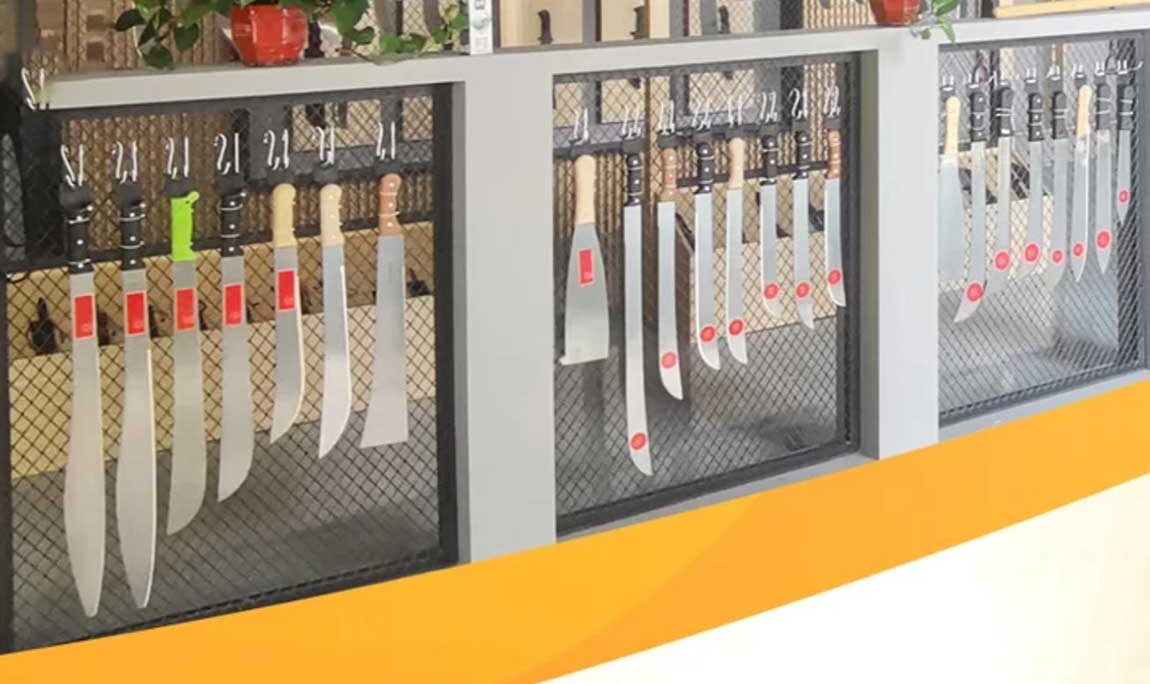
how to sharpen a machete with a file?
A machete is one of the most versatile tools for farmers, gardeners, and outdoor enthusiasts. From clearing brush to chopping firewood or harvesting crops, a sharp blade can make work safer, faster, and more efficient. A dull machete not only reduces productivity but also increases the risk of accidents due to slipping or applying excessive force. Maintaining the edge of your machete is therefore essential. While there are electric sharpeners or whetstones available, using a hand file is often the simplest, most affordable, and effective way to restore a sharp edge. Files allow precise control over the sharpening angle and pressure, making them suitable for different types of machete blades, whether straight, curved, or slightly beveled. In this guide, we will walk you through step-by-step instructions for sharpening a machete with a file. You will learn the proper tools to use, how to prepare the blade, the correct sharpening angles, and essential safety precautions. By following these instructions, even beginners can achieve a razor-sharp edge while minimizing the risk of damaging the blade. Regular maintenance not only prolongs the life of your machete but also ensures optimal performance for all your outdoor tasks. Whether you are preparing for the gardening season or heading into the wilderness, keeping your machete sharp will save time and effort while making cutting tasks more effective and safe.
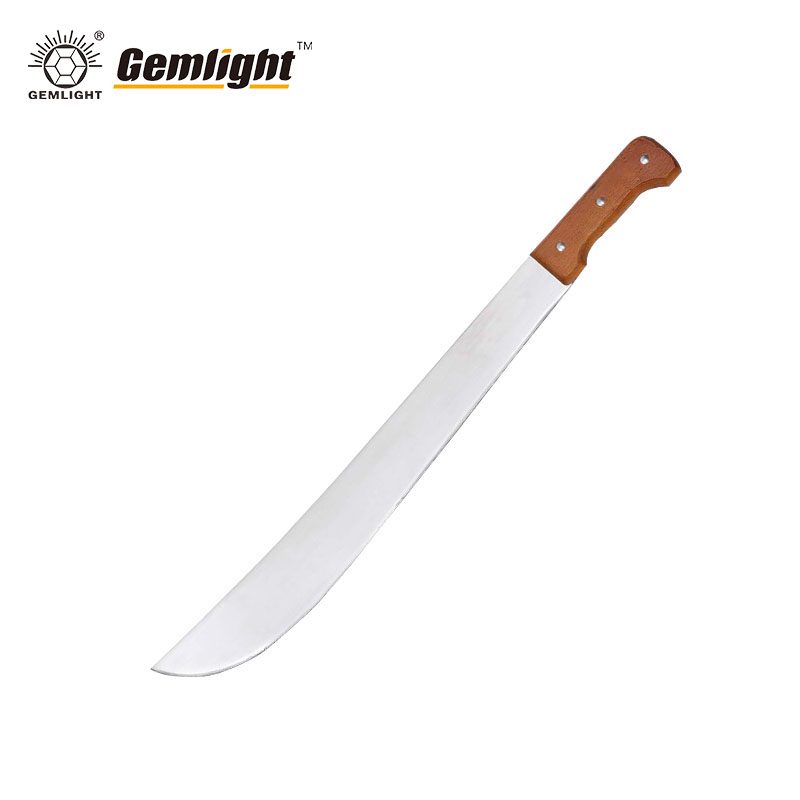
2. Tools and Materials Needed
Before starting, gather the right tools and materials. For sharpening a machete with a file, you will need a medium-to-coarse flat file or a half-round file, depending on your blade’s shape. Files are easy to use, durable, and provide precise control over the cutting edge. Safety equipment is essential, so always wear protective gloves to prevent cuts and safety goggles to protect your eyes from metal filings. A stable workbench or clamp is recommended to secure the blade while sharpening; this prevents slippage, which is a common cause of injury. You may also use a block of wood or a vise to hold the machete steady. Optional items include lubricating oil, soap, or water. These can reduce friction during filing, making the sharpening process smoother and extending the life of your file. Some people also use a small brush to clean filings from the blade between passes. Choosing the right file is critical: a file that is too fine will take longer and may not remove nicks or dull areas efficiently, while an overly coarse file might leave deep scratches that require additional honing. Additionally, make sure your workspace is clean, well-lit, and free of distractions. A secure environment allows you to maintain consistent angles while filing, resulting in a sharper, more even edge. With these tools and materials in hand, you are ready to move to the next step: preparing the machete for sharpening.
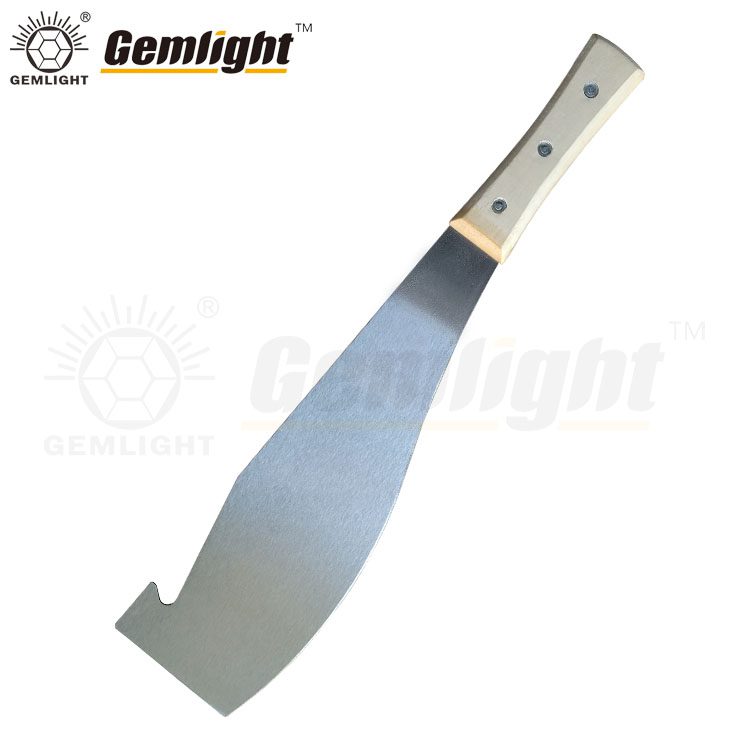
3. Preparing the china Machete
Proper preparation is crucial for a safe and effective sharpening process. Start by thoroughly cleaning your machete. Remove dirt, sap, or rust using a stiff brush or cloth. Any residue on the blade can interfere with sharpening and scratch the file. Next, securely clamp the machete onto a stable surface. Using a workbench or vise helps keep the blade stationary while allowing you to maintain precise angles and pressure. If you don’t have a vise, a non-slip rubber mat can provide some stability on a flat surface. Safety equipment is non-negotiable: always wear protective gloves to prevent accidental cuts and safety glasses to protect against metal filings. It is also a good idea to clear the surrounding area so there is enough space for the file’s full motion. Some machete users prefer to mark the sharpening angle lightly with a pencil, which serves as a visual guide while filing. This can help maintain a consistent bevel along the blade edge. Finally, inspect the blade for any deep nicks, chips, or bent areas. If severe damage exists, it may require preliminary grinding or professional repair before hand filing. A clean, stable, and well-prepared blade ensures that sharpening with a file will be both efficient and safe, preventing injury and achieving a precise cutting edge.
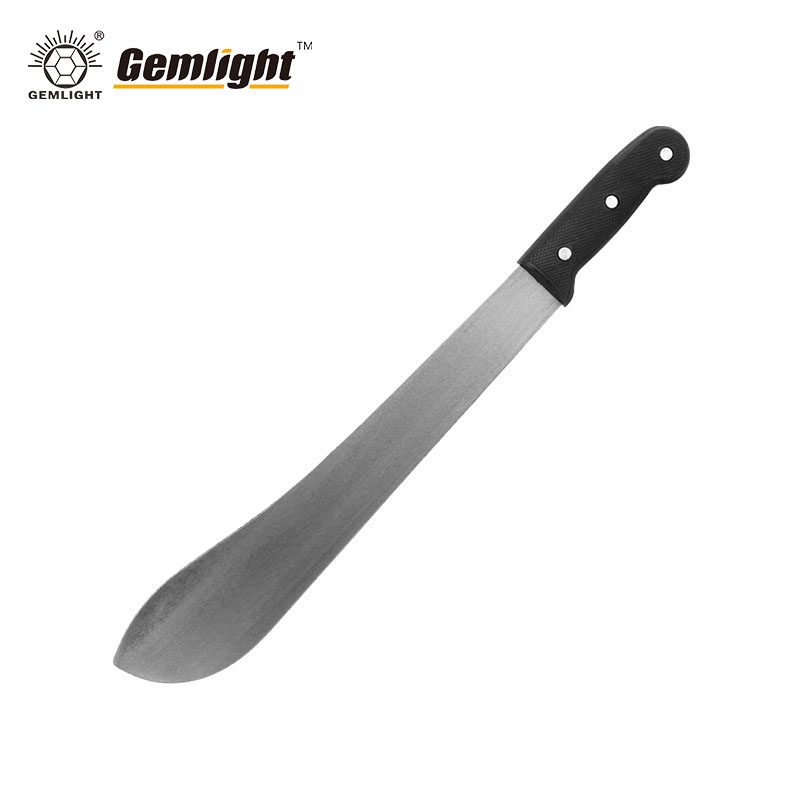
4. Determining the Sharpening Angle
The sharpening angle is one of the most important factors in achieving an effective edge. For general-purpose machetes, an angle of 20–25 degrees is recommended. A narrower angle produces a sharper but more fragile edge, ideal for light vegetation, while a wider angle gives a stronger edge for heavy brush or hard wood. To maintain the correct angle, hold the file so it aligns consistently with the bevel of the blade. Some users place a small block or angle guide against the blade as a visual reference. Consistency is key: uneven angles lead to a dull or jagged edge and may shorten the blade’s lifespan. Beginners may practice on an old or inexpensive machete to get comfortable maintaining a steady angle. Remember, the goal is to evenly remove material along the edge without changing the blade’s overall shape. Proper angle control ensures that the machete cuts smoothly, reduces resistance, and prolongs the blade’s usability.
5. Sharpening the Machete Blade
Begin sharpening by positioning the file at the chosen angle near the base of the blade. Using smooth, even strokes, push or pull the file along the edge toward the tip. Apply moderate, consistent pressure; excessive force can remove too much metal or damage the edge. Work gradually along the entire blade, repeating strokes until a sharp bevel forms. Once one side is complete, flip the machete and repeat on the opposite edge. For curved blades, a half-round file conforms better to the shape, while a flat file works well for straight edges. Avoid hurried movements, as rushing can create uneven surfaces. Check progress periodically by inspecting the edge for uniformity and removing small burrs. Multiple light passes are more effective and safer than a single heavy pass. The goal is to establish a smooth, sharp edge capable of cutting cleanly through vegetation or wood.
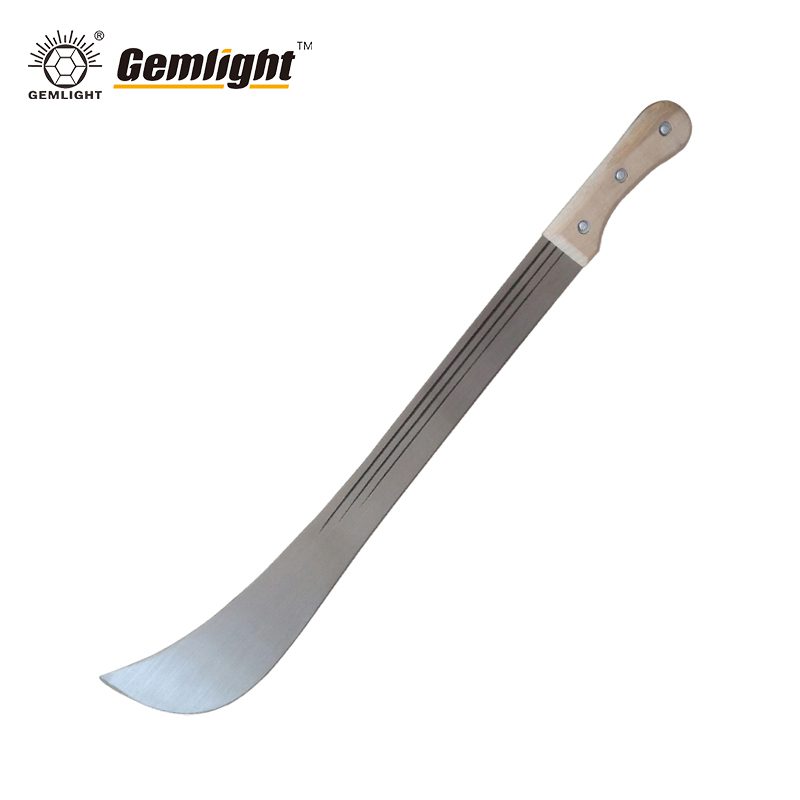
6. Honing and Smoothing the Edge
After sharpening with the file, the edge may have small burrs or rough spots. Use a fine file or whetstone to gently hone these areas. Lightly running the honing tool along the blade smooths the metal, enhancing cutting performance and reducing the risk of snagging. Some users prefer finishing with sandpaper or a leather strop, which further polishes the edge. This step not only improves efficiency but also extends the sharpness between filings. Carefully inspect the entire blade, ensuring there are no uneven spots or residual burrs. A properly honed edge glides through material easily, offering both precision and safety during use.
7. Testing Sharpness Safely
Testing the blade is essential to confirm effectiveness, but safety is critical. Avoid using your fingers. Instead, try cutting through paper, a thin branch, or soft wood. A properly sharpened machete should cut cleanly with minimal effort. For beginners, light trimming of small branches is a safe way to gauge sharpness. Never test against hard objects or body parts, as this poses a serious risk of injury. Regular testing after sharpening helps maintain peak performance and ensures the blade is ready for demanding tasks.
8. Maintenance Tips After Sharpening
Once sharpened, clean the blade to remove metal filings. Wipe it dry and apply a thin layer of oil to prevent rust. Store the high quality machete in a sheath or hanging position to avoid accidental dulling. Regularly inspect for nicks or wear, and perform touch-ups with a file or honing tool as needed. Maintaining a consistent sharpening routine ensures your machete remains efficient, safe, and long-lasting. Proper care reduces the effort required in future sharpening sessions and prolongs the life of both the blade and file.
9. Safety Considerations
Always prioritize safety when sharpening a machete. Wear gloves and eye protection, secure the blade, and avoid distractions. Never apply excessive force, and maintain a stable stance to prevent slips. Ensure children and pets are away from the sharpening area. Following these precautions minimizes accidents and allows for precise, controlled filing.
how to sharpen a machete with a file? If you have any questions,
Please feel free to contact us if you have any questions.
Whatsapp : (+86 188 3022 7232)
E-mail : inquiry@ganzhedao.com